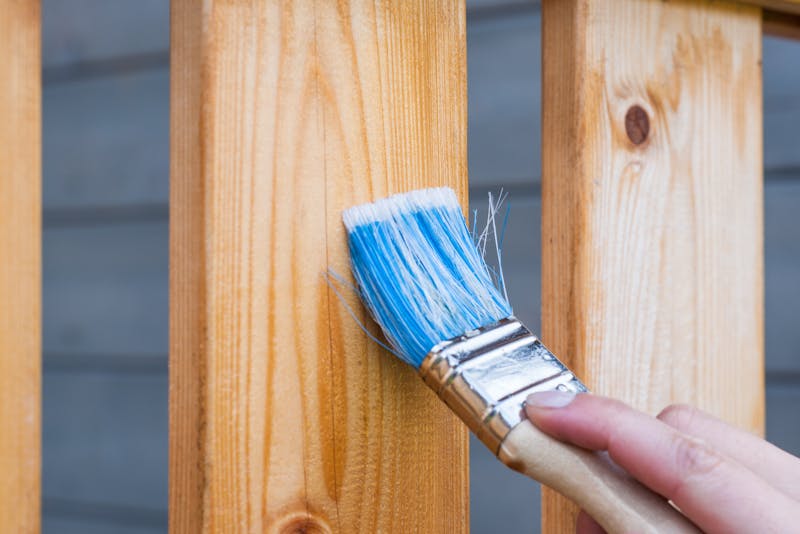

- Proper preparation is essential—cleaning, light sanding, and surface repairs help paint adhere and prevent peeling or chipping.
- Using the right paint and tools designed for furniture improves durability and creates a smoother, more professional finish.
- Thin, even coats of paint applied with patience produce better results than rushing with thick layers.
- Allowing adequate drying and full curing time is crucial to avoid marks, cracks, and long-term damage.
- Skipping protective sealers can shorten the life of painted furniture, especially on high-use surfaces.
- Following manufacturer instructions at every stage leads to longer-lasting, better-looking results for homeowners.
Painting furniture is one of the most cost-effective ways homeowners can refresh a space without buying new pieces. However, many DIY projects fall short not because of poor paint quality, but due to avoidable mistakes made before, during, and after painting. From skipping surface preparation to rushing drying time, these errors can lead to peeling paint, uneven finishes, or furniture that looks worn far too soon.
This guide breaks down the most common furniture painting mistakes and explains how to avoid them. Whether you’re updating a family heirloom or reviving a thrifted find, understanding the right techniques will help you achieve a professional-looking finish that lasts.
Why Do Furniture Painting Projects Often Go Wrong?
Many homeowners start painting furniture with enthusiasm but little preparation, assuming it’s similar to painting walls. Furniture surfaces, however, are exposed to more wear and require a different approach. Skipping steps or using incorrect materials can result in visible flaws that are difficult to fix later. Understanding why projects fail helps you plan better and avoid unnecessary frustration.
Another reason projects go wrong is unrealistic expectations. Furniture painting is not a one-day task if you want durable results. Rushing through drying times, layering paint too quickly, or ignoring environmental factors like humidity often leads to bubbling, cracking, or tacky finishes. Recognizing these pitfalls early can save both time and money.
Common causes of failed furniture paint jobs
- Lack of surface preparation
- Using the wrong type of paint
- Ignoring drying and curing times
- Applying paint too thickly
How to Paint Furniture the Right Way: Preparation Mistakes to Avoid
Preparation is the foundation of a successful furniture painting project, yet it’s the step most homeowners rush or skip. Painting over dirt, grease, or old residue prevents paint from adhering properly, leading to peeling or flaking. Even furniture that looks clean may have oils from hands or cleaning products that interfere with paint bonding.
Another common mistake is skipping light sanding or deglossing. While some paints claim “no prep required,” most furniture surfaces benefit from proper preparation. Cleaning is especially important for wooden pieces, and knowing how to clean wood furniture correctly ensures you remove buildup without damaging the surface. Proper prep doesn’t add much time, but it dramatically improves results.
Preparation mistakes to avoid
- Painting without cleaning the surface thoroughly
- Skipping sanding or deglossing entirely
- Forgetting to remove hardware or protect nearby areas
- Ignoring surface repairs like dents or cracks
Are You Using the Wrong Paint or Tools?
Choosing the wrong paint or tools is another frequent issue that affects the final look and durability of painted furniture. Wall paint, for example, is not designed to withstand the handling and friction furniture experiences. Using the wrong finish can leave surfaces vulnerable to scratches and stains, especially in high-use areas like dining rooms or bedrooms.
Tool selection matters just as much as paint choice. Cheap brushes can leave streaks and loose bristles embedded in the paint, while incorrect rollers may create uneven textures. Homeowners often underestimate how much these choices affect the outcome. Investing in the right materials upfront leads to smoother application and a more professional appearance.
Common paint and tool mistakes
- Using interior wall paint instead of furniture-grade paint
- Choosing the wrong sheen for the furniture’s use
- Applying paint with low-quality brushes or rollers
- Skipping primer when it’s clearly needed
What Application Errors Ruin the Final Finish?
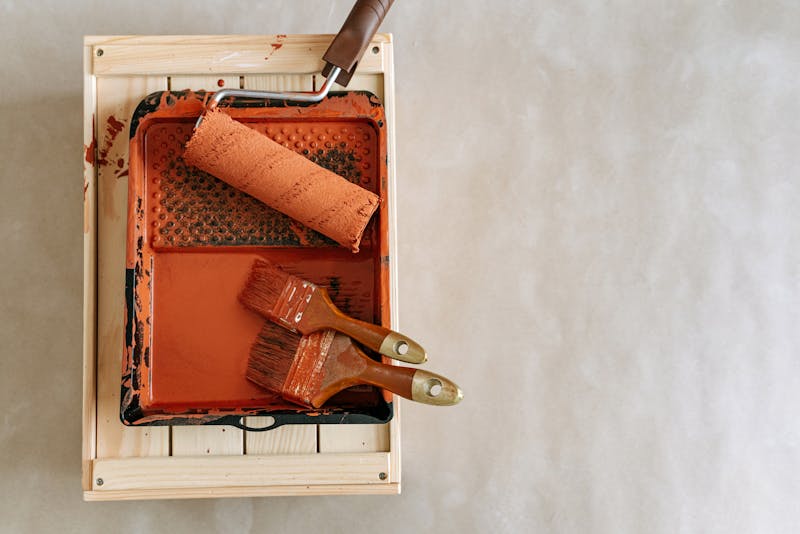
Even with proper prep and quality materials, poor application techniques can undo all your hard work. One of the most common errors is applying paint too thickly in an attempt to finish faster. Thick coats take longer to dry and are more likely to drip, crack, or show brush marks once cured.
Another mistake is not allowing adequate drying time between coats. Furniture paint often feels dry to the touch long before it’s ready for another layer. Painting too soon traps moisture and weakens the finish. Paying attention to application techniques ensures your furniture looks smooth and lasts longer.
Application mistakes homeowners make
- Applying thick, heavy coats of paint
- Not following recommended drying times
- Overworking the paint as it begins to dry
- Painting in poor lighting; therefore, missing flaws
Why Skipping Sealing and Curing Causes Long-Term Damage
Many homeowners assume that once the paint dries, the project is complete. In reality, paint needs time to cure, and many furniture pieces benefit from a protective topcoat. Skipping sealing leaves painted furniture vulnerable to scratches, moisture damage, and everyday wear, especially on tabletops and cabinets.
Curing time is equally important. While furniture may feel dry within hours, full curing can take days or even weeks. Using furniture too soon can leave permanent marks or impressions. Understanding the difference between drying and curing helps protect your work and ensures long-lasting results.
Final steps homeowners often overlook
- Skipping protective sealers on high-use pieces
- Using furniture before the paint has fully cured
- Cleaning painted surfaces too aggressively early on
- Ignoring manufacturer recommendations
Conclusion: Paint Furniture with Confidence, Not Guesswork
Painting furniture the right way is less about artistic skill and more about following proven steps. Avoiding common mistakes—from poor preparation to rushed curing—can make the difference between a DIY disaster and a polished, long-lasting piece. Homeowners who take the time to plan, prep, and apply paint correctly will enjoy furniture that looks professionally finished and stands up to everyday use.