
- Traditional interior design emphasizes timeless elegance, symmetry, and comfort.
- Rich color palettes and patterned fabrics create warmth and sophistication.
- Classic furniture with ornate details and quality materials is a defining feature.
- Attention to detail in moldings, lighting, and décor enhances overall harmony.
- Proper balance and layering of textures prevent the space from feeling cluttered.
- Transitional interior design blends traditional elements with modern simplicity.
- Maintaining proportion, symmetry, and cohesive décor is key to a polished look.
Traditional interior design is one of the most enduring and recognizable styles in home décor. Rooted in classic European aesthetics, it emphasizes elegance, symmetry, and timeless beauty. From rich wood furniture to luxurious fabrics, traditional design creates spaces that feel warm, welcoming, and sophisticated. Understanding its key characteristics can help homeowners, designers, and enthusiasts recreate this style effectively in modern homes.
In this article, we explore what makes traditional interior design unique, highlight its defining features, and offer guidance on how to incorporate it into your living spaces.
What Is Traditional Interior Design?
Traditional interior design is a style inspired by the 18th and 19th-century European décor, particularly from England, France, and Italy. It is characterized by elegance, comfort, and attention to detail. This style often incorporates rich color palettes, ornate furnishings, and symmetrical layouts to create a sense of balance and refinement.
The goal of traditional design is to create spaces that feel inviting yet sophisticated. It often includes elements such as wood furniture, detailed moldings, classic rugs, and decorative art pieces. Traditional design is versatile enough to blend with modern elements, though it always maintains a sense of timelessness.
Key Features of Traditional Interior Design
Traditional interior design has several defining characteristics that distinguish it from contemporary or modern styles. These features create harmony and elegance, making a home feel polished and cohesive.
1. Rich, Warm Color Palettes
Color is fundamental in traditional interiors. Expect warm neutrals, deep reds, greens, blues, and gold accents. These hues create a sense of comfort and richness, enhancing the elegance of the space. Patterns such as floral, damask, or stripes are often layered with these colors to add depth and interest.
Using these color schemes strategically in walls, furniture, and textiles helps create a welcoming and refined atmosphere. The goal is to achieve a timeless appeal that doesn’t feel overly trendy.
2. Classic Furniture Styles
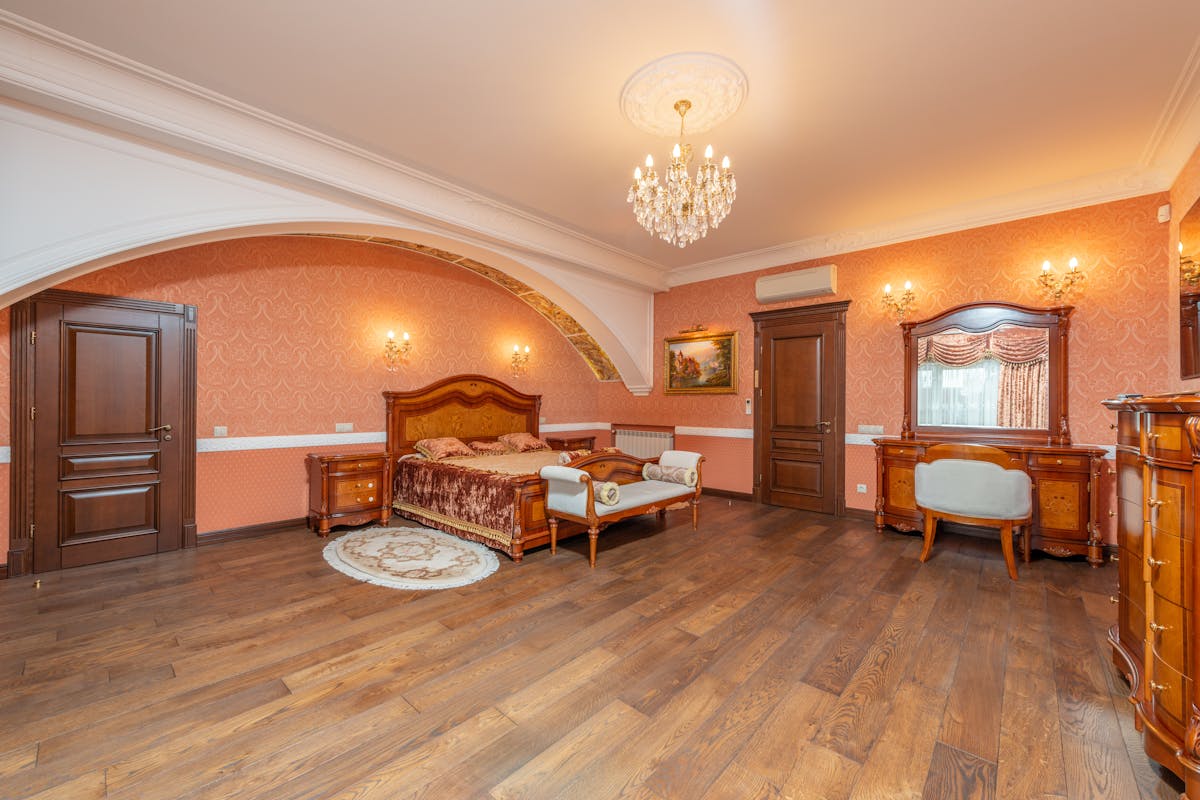
Traditional design favors furniture with graceful lines and intricate details. Pieces are often made from rich woods such as mahogany, cherry, or oak, with carvings or decorative accents. Upholstered chairs and sofas are usually adorned with luxurious fabrics like velvet or brocade.
The arrangement of furniture also emphasizes symmetry. For example, matching chairs on either side of a coffee table or a balanced layout of seating in a living room enhances harmony.
3. Elegant Fabrics and Textures
Textiles play a crucial role in traditional interiors. Heavy draperies, patterned rugs, silk pillows, and embroidered throws add layers of texture. These materials convey sophistication while maintaining comfort.
Mixing textures carefully ensures the space feels rich and inviting without appearing cluttered. Fabrics are often coordinated with the color palette to reinforce the cohesive design.
4. Attention to Detail
One of the hallmarks of traditional interior design is meticulous attention to detail. This includes decorative moldings, wainscoting, crown moldings, and ornate ceiling medallions. Accessories such as chandeliers, antique mirrors, and artwork enhance the overall elegance.
Every element in a traditional space is intentional. The goal is to create a harmonious environment where nothing feels out of place, and every detail contributes to the overall aesthetic.
How to Incorporate Traditional Design in Your Home
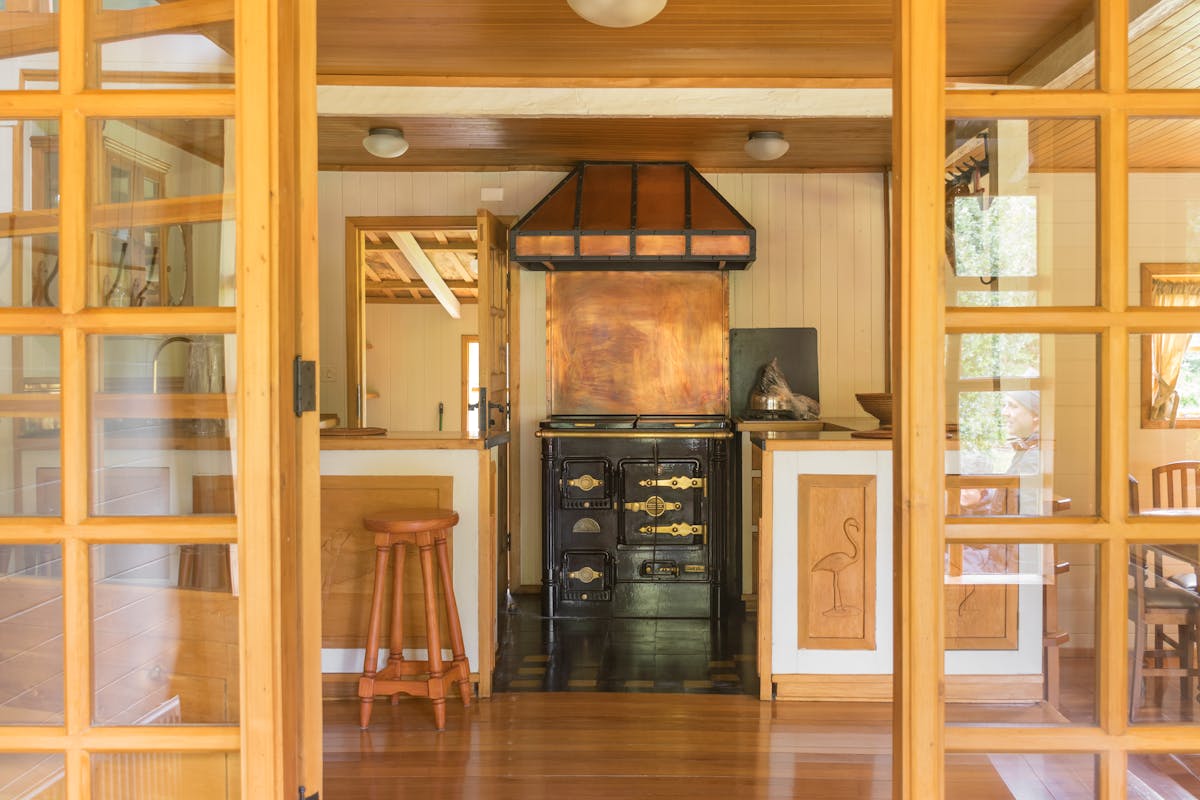
Incorporating traditional design in modern homes can be simple if you focus on key elements. Start with foundational pieces, like classic furniture and warm colors, then layer in decorative accents.
Mixing patterns and textures carefully can add character without overwhelming the room. Consider antique or vintage furniture for authenticity, and invest in high-quality fabrics and finishes. Proper lighting, such as chandeliers or wall sconces, enhances the luxurious feel typical of traditional interiors.
Traditional vs. Transitional Interior Design
While traditional design focuses on ornate details and classical elegance, transitional interior design blends traditional elements with modern simplicity. Transitional spaces often use a neutral color palette, streamlined furniture, and minimal ornamentation while retaining some classic touches.
Understanding the difference between traditional and transitional design helps homeowners choose a style that fits their personal taste and lifestyle. Transitional interiors are ideal for those who appreciate the warmth of traditional design but prefer a cleaner, more contemporary feel.
Common Mistakes to Avoid in Traditional Interiors
When creating a traditional interior, it’s easy to overdo ornamentation. Too many heavy fabrics, mismatched antiques, or an overly dark palette can make a space feel cluttered.
To avoid this, balance ornate elements with simple décor, use lighter colors to open up the space, and maintain symmetry. Keep furniture proportional to the room size and mix textures strategically to create a harmonious, timeless interior.
Final Thoughts
Traditional interior design offers timeless elegance, comfort, and sophistication. By focusing on key elements like rich color palettes, classic furniture, layered fabrics, and careful detailing, you can achieve a home that feels warm and refined. Whether you’re decorating a living room, bedroom, or dining space, incorporating traditional design principles ensures a polished and harmonious environment.
For those seeking a modern twist, exploring transitional interior design can blend the best of both worlds—classic charm with contemporary simplicity.