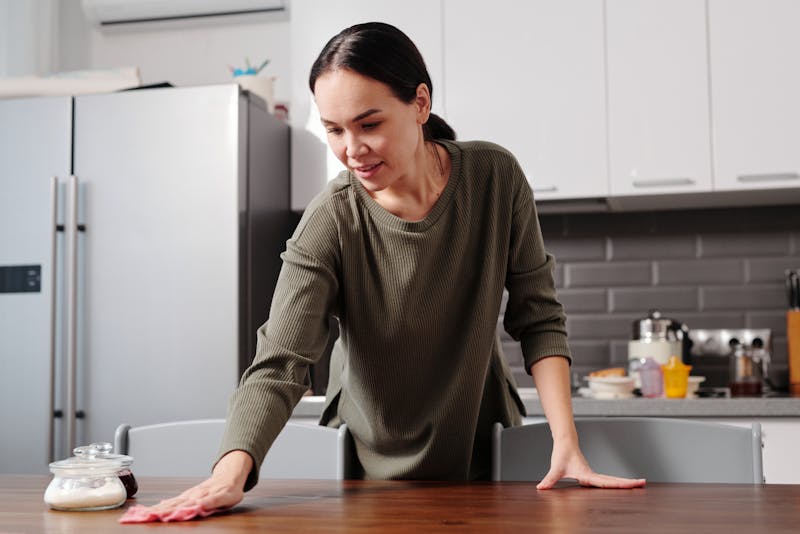

- Cleaning wood furniture at home is safest and most effective when using gentle household items like mild dish soap, vinegar (properly diluted), and soft cloths.
- Understanding your furniture’s wood type and finish is essential to avoid damage from excess moisture or harsh cleaning agents.
- Regular dusting and light weekly cleaning help prevent grime buildup and extend the life of wood furniture.
- Natural DIY cleaners can remove dirt and restore shine when used sparingly and applied in the direction of the wood grain.
- Acting quickly on stains such as water rings or grease increases the chances of successful removal without refinishing.
- Avoiding excess water, abrasive tools, and harsh chemicals is key to preserving the wood’s finish and structural integrity.
Wood furniture adds warmth, character, and timeless appeal to any home. From dining tables and coffee tables to cabinets and bed frames, wood surfaces are an investment that deserves proper care. However, many homeowners worry that cleaning wood furniture requires expensive products or professional services. The good news is that effective cleaning can be done safely at home using simple household items—if you know the right methods.
This guide explains how to clean wood furniture properly, remove dirt and grime, and preserve its finish without harsh chemicals. Whether you’re dealing with everyday dust or stubborn buildup, you’ll learn practical, proven techniques that protect your furniture while keeping it looking its best.
Understanding Your Wood Furniture Before Cleaning
Before reaching for a cleaner, it’s important to understand what type of wood furniture you’re dealing with. Not all wood surfaces are the same, and improper cleaning methods can lead to dull finishes, water stains, or permanent damage. Homeowners often make mistakes because they treat all wood furniture as if it responds the same way to moisture and cleaning agents.
Wood furniture may be finished, unfinished, sealed, or painted, and each surface reacts differently to liquids and friction. Knowing this helps you choose the safest household cleaning method. Taking a few minutes to identify your furniture type can save you from costly repairs or refinishing later on.
Types of Wood Finishes Common in Homes
Most household wood furniture falls into one of these categories:
- Finished wood: Sealed with varnish, lacquer, polyurethane, or shellac
- Unfinished wood: Bare wood with no protective seal
- Painted wood: Wood coated with decorative or protective paint
- Antique or heirloom wood: Older pieces with delicate or aged finishes
If you’re unsure, test a small, hidden area with a drop of water. If it beads, the surface is sealed. If it absorbs quickly, the wood is likely unfinished.
How to Clean Wood Furniture at Home Using Simple Household Items
Cleaning wood furniture at home does not require specialty products or strong chemicals. In fact, many commercial cleaners contain ingredients that can strip protective finishes or leave behind residue. Simple household items, when used correctly, are often safer and just as effective.
The key is using gentle solutions, minimal moisture, and proper wiping techniques. Wood is a natural material that responds best to mild cleaners and careful handling. This approach helps remove surface dirt while preserving the furniture’s natural beauty and integrity.
Essential Household Items You’ll Need
You likely already have these items at home:
- Soft microfiber or cotton cloths
- Mild dish soap
- White vinegar
- Olive oil or mineral oil
- Warm water
- Small bowl or spray bottle
Avoid abrasive sponges, paper towels, or harsh scrubbers, as they can scratch wood surfaces.
Daily and Weekly Wood Furniture Cleaning Routine
Regular maintenance is one of the most effective ways to keep wood furniture clean and long-lasting. Dust and airborne particles can slowly scratch finishes if left unattended. A simple routine helps prevent buildup and reduces the need for deep cleaning.
For homeowners, a consistent schedule ensures furniture stays presentable without requiring frequent intensive care. Light cleaning also allows you to notice early signs of damage, such as fading or moisture exposure.
Dusting the Right Way
Proper dusting prevents scratches and dullness:
- Use a dry or slightly damp microfiber cloth
- Wipe in the direction of the wood grain
- Avoid feather dusters that spread dust into the air
Dust at least once a week, especially in high-traffic areas like living rooms and dining spaces.
Light Cleaning for Smudges and Fingerprints
For everyday marks:
- Mix a few drops of mild dish soap with warm water
- Dampen a cloth, wring it out thoroughly
- Gently wipe affected areas
- Dry immediately with a clean cloth
Never allow water to sit on wood surfaces.
Removing Dirt, Grime, and Buildup Safely
Over time, wood furniture can develop a layer of grime caused by oils, cleaning residue, and environmental pollutants. This buildup can make surfaces look dull or sticky. Many homeowners assume aggressive cleaners are needed, but this often does more harm than good.
Gentle methods work best when addressing buildup. The goal is to lift dirt without dissolving the protective finish. Patience and light pressure are essential.
Using Vinegar and Water Correctly
White vinegar is effective when diluted properly:
- Mix one part vinegar with four parts warm water
- Lightly dampen a cloth—never soak it
- Wipe gently, focusing on dirty areas
- Dry immediately after cleaning
This method should be used occasionally, not as a daily cleaner.
Dealing With Sticky Residue
For sticky surfaces caused by polish buildup:
- Mix mild dish soap with warm water
- Clean slowly in small sections
- Use a second damp cloth to remove soap residue
- Dry thoroughly
Avoid scraping or scrubbing aggressively.
Natural Wood Cleaning Solutions You Can Make at Home
Homemade wood cleaners offer homeowners a cost-effective and eco-friendly alternative to store-bought products. When mixed correctly, natural solutions clean effectively while being gentle on finishes. These methods are especially appealing to households with children or pets.
The key to success is using the correct ratios and applying them sparingly. Natural does not mean harmless if misused, so moderation is critical.
Olive Oil and Vinegar Polish
This mixture cleans and restores shine:
- 1 cup olive oil
- ¼ cup white vinegar
Apply a small amount with a soft cloth, rub gently, and buff dry. Use sparingly to avoid oil buildup.
Dish Soap and Water Cleaner
Best for routine cleaning:
- A few drops of dish soap
- Warm water
This solution removes dirt without stripping protective coatings.
How to Remove Stains From Wood Furniture Without Damage
Stains are one of the most common concerns for homeowners, especially in dining and living areas. Water rings, food spills, and heat marks can appear quickly if not addressed properly. Fortunately, many stains can be reduced or eliminated using simple household techniques.
Acting quickly improves results, but even older stains may respond to gentle treatment. The key is identifying the stain type before choosing a method.
Treating Water Rings
For white water rings:
- Apply a small amount of olive oil
- Gently rub with a soft cloth
- Buff the area until the mark fades
Avoid heat-based methods that may worsen damage.
Removing Food and Grease Stains
For greasy spots:
- Sprinkle baking soda lightly
- Let it sit briefly to absorb oil
- Wipe gently with a damp cloth
- Dry thoroughly
Never leave baking soda on wood for extended periods.
Cleaning Antique and Delicate Wood Furniture at Home
Antique or older wood furniture requires extra caution. These pieces often have thinner finishes or historical value that can be compromised by modern cleaning products. Homeowners should prioritize preservation over aggressive cleaning.
Gentle methods and minimal moisture are essential. When in doubt, less is always more with antiques.
Safe Cleaning Practices for Antiques
Follow these guidelines:
- Use dry dusting as the primary method
- Avoid vinegar or alcohol-based cleaners
- Test any solution in a hidden area
If the furniture has significant value, consult a professional conservator before deep cleaning.
What to Avoid When Cleaning Wood Furniture
Knowing what not to do is just as important as knowing what works. Many common cleaning habits unintentionally damage wood furniture over time. Homeowners often rely on products designed for other surfaces, not realizing the risks involved.
Avoiding these mistakes helps maintain both appearance and structural integrity.
Common Cleaning Mistakes
- Using excessive water
- Applying ammonia or bleach
- Scrubbing with rough materials
- Overusing oil-based polishes
These actions can lead to swelling, discoloration, or finish breakdown.
Long-Term Care Tips to Keep Wood Furniture Looking New
Cleaning alone is not enough to maintain wood furniture over the long term. Preventative care plays a crucial role in preserving appearance and durability. Homeowners who follow basic care practices often extend the lifespan of their furniture by many years.
Simple habits make a noticeable difference when practiced consistently.
Preventative Maintenance Strategies
- Use coasters and placemats
- Keep furniture away from direct sunlight
- Maintain stable indoor humidity
- Clean spills immediately
Regular care reduces the need for repairs or refinishing.
Final Thoughts: Keeping Wood Furniture Clean the Right Way
Cleaning wood furniture at home using simple household items is both practical and effective when done correctly. With gentle techniques, minimal moisture, and regular maintenance, homeowners can protect their investment while keeping their furniture beautiful.
By understanding wood types, using safe homemade solutions, and avoiding harmful products, you ensure that your furniture remains functional and visually appealing for years to come. Consistency, patience, and proper care are the true secrets to maintaining wood furniture naturally.