
- Transitional interior design blends traditional warmth with modern simplicity for balanced, timeless spaces.
- Neutral color palettes and layered textures create a cohesive, inviting atmosphere that adapts to any home.
- Furniture with clean lines, subtle curves, and comfortable upholstery defines the style without overwhelming the space.
- The style’s versatility makes it ideal for open-concept homes, renovations, and long-term living spaces.
- Transitional design allows homeowners to mix old and new elements, creating personalized, adaptable interiors.
- Restraint in décor and consistency in finishes are essential to maintain harmony and avoid clutter.
- Its timeless appeal and flexibility make transitional design a popular choice for both modern lifestyles and resale value.
Interior design trends come and go, but some styles stand the test of time by offering flexibility, balance, and broad appeal. Transitional interior design is one such style. Neither overly traditional nor starkly modern, it strikes a thoughtful balance that resonates with today’s homeowners. As living spaces evolve to reflect changing lifestyles, transitional design has emerged as a preferred choice for those who want elegance without rigidity and modernity without cold minimalism.
This article explores what transitional interior design really is, how it developed, and why it has become so popular in contemporary homes. From defining features and color palettes to furniture choices and real-world applications, this guide breaks down the style in a practical, easy-to-understand way.
Whether you are planning a renovation, decorating a new home, or simply exploring design ideas, understanding transitional interior design can help you create a space that feels both timeless and current.
What Is Transitional Interior Design?
Transitional interior design is best understood as a harmonious blend of traditional warmth and modern simplicity. This style draws inspiration from classic design elements while incorporating clean lines, understated décor, and contemporary finishes. The result is a balanced look that feels elegant yet approachable, making it ideal for a wide range of homes and personal tastes.
At its core, transitional design avoids extremes. It does not rely heavily on ornate details, nor does it strip a space down to bare minimalism. Instead, it emphasizes comfort, functionality, and visual cohesion. Homeowners are increasingly drawn to this style because it adapts easily to different architectural layouts and evolves gracefully over time.
Transitional interior design is also highly versatile. It allows homeowners to mix old and new furniture, combine textures, and layer neutral colors without overwhelming the space. This flexibility is a major reason the style continues to grow in popularity across both urban and suburban settings.
Key Characteristics of Transitional Design
- A balance between classic and contemporary elements
- Clean lines softened by curves and textures
- Neutral color palettes with subtle contrast
- Minimal ornamentation with refined details
Where Did Transitional Interior Design Come From?
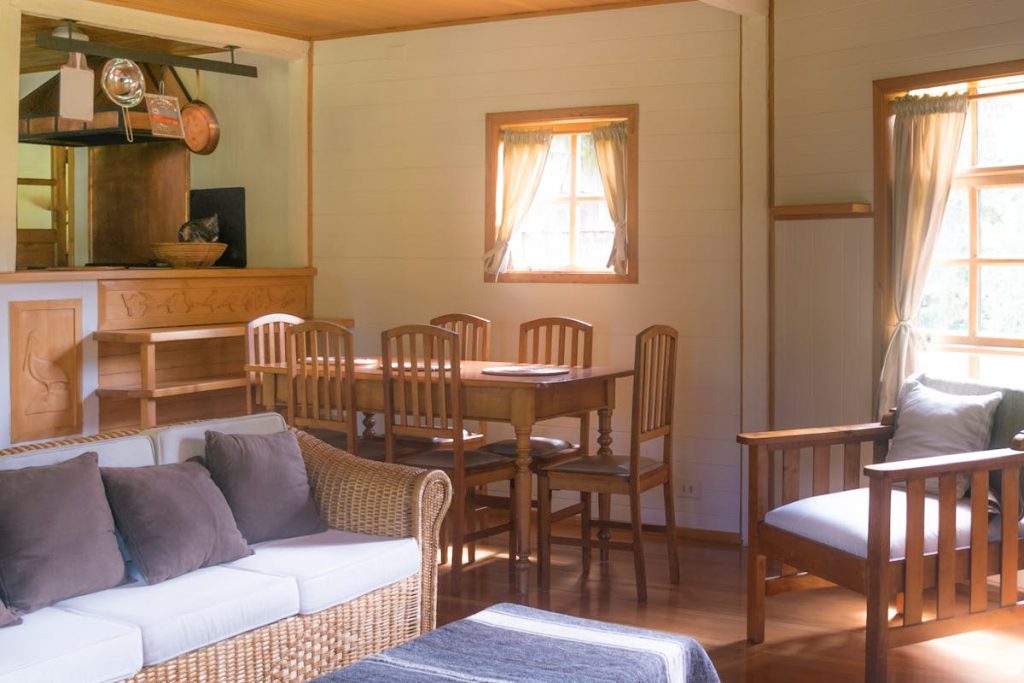
The rise of transitional interior design is closely tied to changing lifestyles and evolving preferences in home décor. As homeowners began moving away from strictly traditional interiors in the late 20th century, many found modern design too stark and impersonal. Transitional design emerged as a response to this gap, offering a more comfortable middle ground.
This style gained traction as open-concept living became more common. Open layouts require visual continuity, and transitional design excels at creating flow between rooms without relying on bold stylistic shifts. By blending classic elements with modern restraint, designers could create cohesive spaces that felt intentional rather than themed.
Another factor behind its growth is longevity. Transitional interiors do not age as quickly as trend-driven styles. Because they rely on balance rather than bold statements, they remain visually appealing even as design trends shift. This timeless quality has made transitional design a favorite among designers, builders, and homeowners alike.
Why It Appeals Across Generations
- Appeals to both traditional and modern tastes
- Feels familiar yet updated
- Works well in both new builds and older homes
Why Is Transitional Interior Design So Popular Today?
The popularity of transitional interior design reflects how people live today. Modern homeowners value comfort, flexibility, and practicality, especially as homes serve multiple functions such as workspaces, gathering areas, and places of rest. Transitional design supports these needs without sacrificing visual appeal.
One key reason for its popularity is adaptability. This style allows homeowners to update spaces gradually rather than committing to a complete redesign. A traditional sofa can coexist with modern lighting, or classic cabinetry can be paired with sleek hardware. This layered approach makes the style both accessible and cost-effective.
Additionally, transitional interiors photograph well and appeal to a broad audience. This makes them especially attractive for resale purposes. Neutral palettes, balanced proportions, and timeless materials create spaces that feel inviting to potential buyers while still reflecting thoughtful design.
Modern Lifestyle Alignment
- Supports multifunctional living spaces
- Encourages clutter-free, organized layouts
- Adapts easily to lifestyle changes
What Are the Core Elements of Transitional Interior Design?
Understanding the foundational elements of transitional interior design helps explain why it feels so cohesive and livable. This style relies on a careful mix of materials, finishes, and forms to create balance. Each element plays a role in softening contrasts and maintaining visual harmony.
Furniture in transitional interiors often features simple silhouettes with subtle detailing. Upholstery leans toward comfort, while finishes remain refined rather than flashy. Decorative elements are purposeful, used to enhance the space rather than dominate it.
Lighting and textures also play a critical role. Layered lighting adds warmth, while textiles such as linen, wool, and leather introduce depth. These elements work together to create interiors that feel polished yet relaxed, making them suitable for everyday living.
Essential Design Components
- Clean-lined furniture with gentle curves
- Neutral fabrics and natural materials
- Simple but elegant lighting fixtures
- Thoughtful use of texture
How Does Color Work in Transitional Interior Design?
Color is one of the most defining aspects of transitional interior design. Rather than relying on bold or trendy hues, this style favors a neutral base that creates a calm and cohesive environment. Shades of white, beige, gray, and taupe are commonly used to establish a timeless foundation.
These neutral palettes are often layered with subtle contrasts. Soft blues, muted greens, or warm earth tones may be introduced through accent pillows, rugs, or artwork. This approach adds visual interest without disrupting the overall balance of the space.
The restrained use of color also allows architectural features and furniture to stand out. Instead of competing elements, transitional interiors feel unified. This makes it easier to update décor over time by swapping accessories rather than repainting entire rooms.
Common Color Strategies
- Neutral walls for flexibility
- Muted accent colors for depth
- Consistent tones across connected spaces
How Furniture Defines Transitional Interior Spaces
Furniture selection is central to achieving a successful transitional interior design. Pieces are chosen for their ability to bridge traditional comfort and modern simplicity. This means avoiding overly ornate carvings while also steering clear of ultra-minimalist forms.
Transitional furniture often features tailored upholstery, exposed wood frames, and subtle curves. Sofas and chairs prioritize comfort but maintain clean profiles. Tables and storage pieces may reference classic forms while using contemporary finishes. To keep your furniture looking its best over time, homeowners can learn how to refinish furniture or how to polish wood furniture, which helps preserve its quality and maintains the elegant transitional aesthetic.
One of the advantages of this approach is longevity. Transitional furniture rarely feels outdated, making it a smart investment. It also allows homeowners to mix heirloom pieces with newer acquisitions, creating spaces that feel personal rather than staged.
Furniture Selection Tips
- Choose timeless silhouettes
- Mix materials like wood, metal, and fabric
- Prioritize comfort and proportion
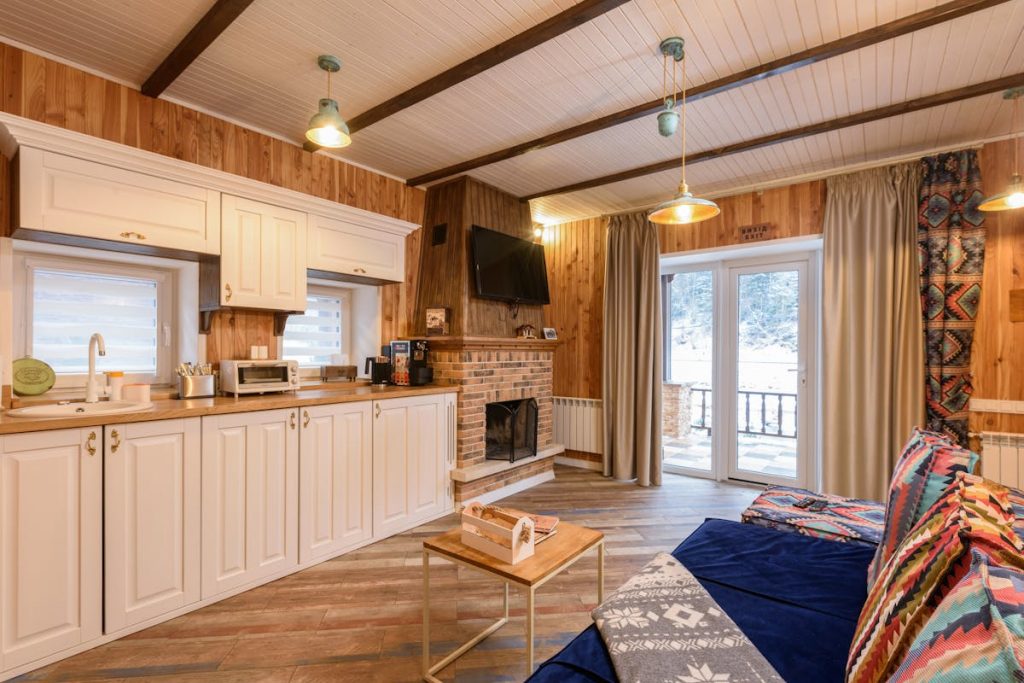
Can Transitional Interior Design Work in Any Home?
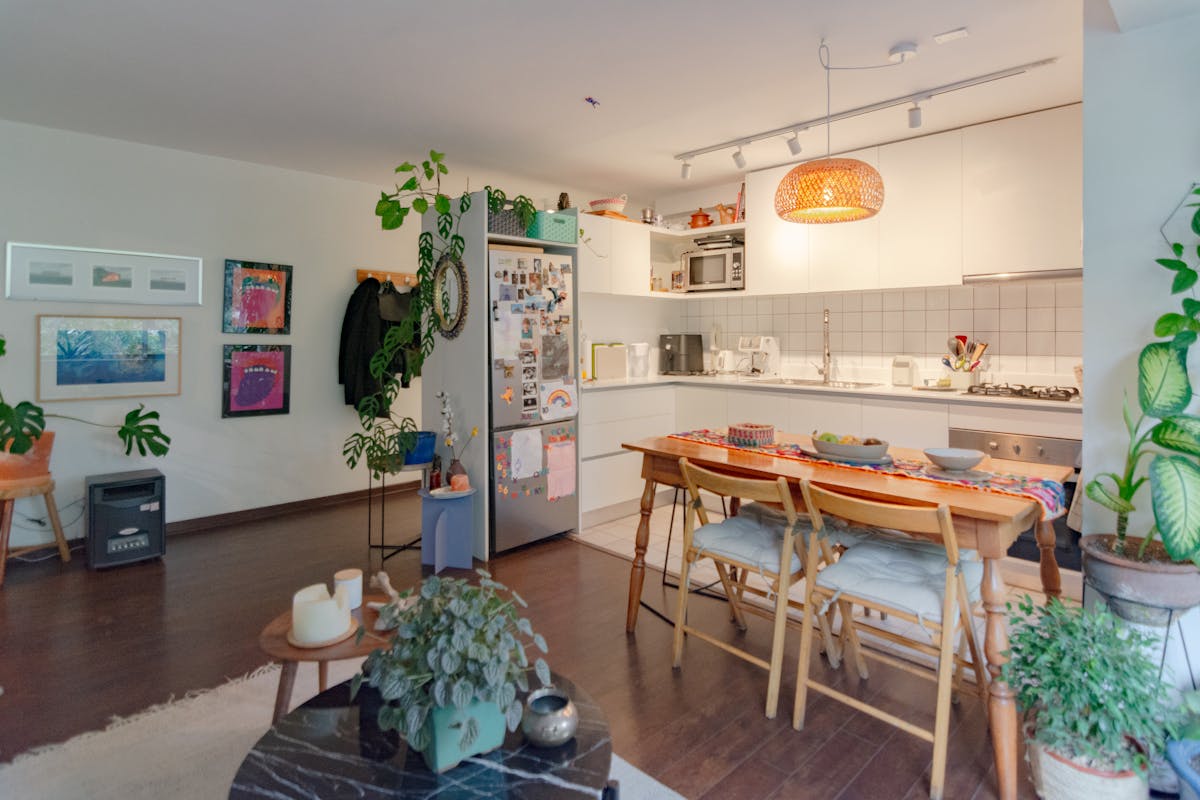
One of the strongest advantages of transitional interior design is its versatility. This style adapts well to various home types, from apartments and condominiums to large family houses. Because it focuses on balance rather than rigid rules, it complements different architectural styles.
In smaller homes, transitional design helps maximize space by keeping layouts open and uncluttered. In larger homes, it creates continuity across rooms, preventing the interior from feeling disjointed. This makes it especially effective for open-plan living environments.
Transitional design also works well across different budgets. Homeowners can start with neutral foundations and gradually layer in higher-end materials or custom pieces. This scalability makes the style accessible while still allowing for sophistication.
Ideal Applications
- Open-concept homes
- Renovations blending old and new
- Long-term family residences
What Are Common Mistakes to Avoid with Transitional Interior Design?
While transitional interior design is forgiving, there are common mistakes that can disrupt its balance. One of the most frequent errors is leaning too heavily toward either traditional or modern elements. This can cause the space to lose its cohesive identity.
Another issue is overdecorating. Transitional design thrives on restraint, so excessive accessories or bold patterns can overwhelm the room. Each element should have a purpose and contribute to the overall harmony.
Finally, inconsistency in finishes can dilute the look. Mixing too many metal tones, wood finishes, or color temperatures may create visual clutter. A thoughtful, edited approach ensures the space remains refined and timeless.
Pitfalls to Watch For
- Overly ornate or ultra-modern pieces
- Too many contrasting finishes
- Excessive decorative accessories
Why Transitional Interior Design Continues to Endure
The lasting appeal of transitional interior design lies in its ability to evolve. Unlike trend-driven styles, it does not rely on novelty. Instead, it offers a flexible framework that adapts to changing tastes, technologies, and lifestyles.
As homes continue to serve as multifunctional spaces, the demand for interiors that feel both stylish and livable will grow. Transitional design meets this demand by emphasizing comfort, balance, and timeless aesthetics.
For homeowners seeking a design style that feels current without being fleeting, transitional interior design remains a reliable and attractive choice. Its popularity today is not just a trend but a reflection of how people want to live now and in the future.
Conclusion
Transitional interior design offers the perfect balance between timeless elegance and modern simplicity, making it an ideal choice for today’s homeowners. By blending traditional and contemporary elements, this style creates spaces that are comfortable, versatile, and visually harmonious. From neutral color palettes and layered textures to clean-lined furniture and thoughtful décor, every detail works together to achieve a look that is both inviting and sophisticated.
Its adaptability is a major reason for its enduring popularity. Whether you’re renovating a classic home, furnishing a new build, or simply updating a room, transitional design allows you to mix old and new, personalize your space, and maintain a cohesive aesthetic over time. Learning practical skills, such as how to refinish furniture or how to polish wood furniture, can also help preserve the beauty and longevity of your pieces, ensuring your home continues to look elegant for years to come.
Ultimately, transitional interior design is more than a trend—it’s a lifestyle choice that balances comfort, style, and functionality, making it the go-to solution for those who want homes that feel both modern and timeless.