
- Always clean wood furniture thoroughly before polishing to prevent scratches.
- Use the right polish—avoid silicone-based or harsh chemical products.
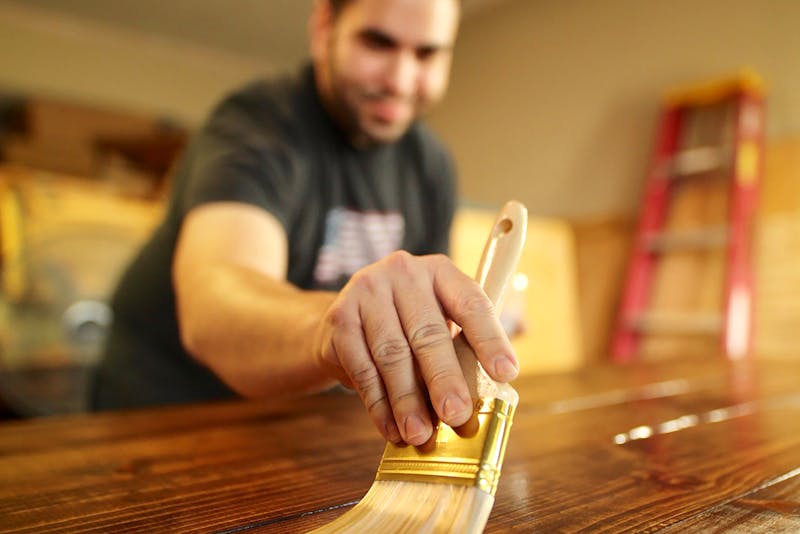
- Apply polish sparingly and follow the wood grain for a smooth, even shine.
- Buff gently with a soft cloth to enhance luster without damaging the finish.
- Avoid over-polishing and pay attention to edges and intricate details.
- Consider refinishing if the furniture has deep scratches or a worn finish.
- Maintain regular care, dusting, and protection to prolong the furniture’s beauty.
Wood furniture adds warmth, elegance, and charm to any home. Over time, however, it can lose its shine due to dust, moisture, and everyday use. Polishing is an effective way to restore its luster, but doing it incorrectly can damage the finish, leaving dull spots or scratches. For DIY enthusiasts, knowing the proper techniques and products to use is essential.
This guide will provide practical tips, step-by-step instructions, and common mistakes to avoid, ensuring your wood furniture shines without risk of harm. Whether you’re working on an antique dresser, a dining table, or a bedside table, these tips will help you achieve professional-looking results at home.
Why Proper Polishing Matters
Polishing wood furniture is not just about making it look good. Proper polishing protects the surface, extends the life of the wood, and enhances its natural beauty. Using the wrong products or applying too much pressure can strip away protective coatings, leaving the wood vulnerable to scratches, moisture damage, and fading. For DIY enthusiasts, understanding the difference between cleaning, polishing, and refinishing is crucial. While cleaning removes dust and grime, polishing adds shine and protection.
Refinishing, on the other hand, involves stripping the old finish and applying a new one—a more advanced process that might be necessary if the furniture is heavily worn. Knowing when to polish versus when to refinish can save time, money, and frustration.
Tools and Materials You’ll Need
Before you begin, gather the right tools and materials. Polishing with inappropriate items can scratch or dull the finish. Here’s what you should have on hand:
- Soft, lint-free cloths or microfiber towels
- High-quality furniture polish or wax (avoid silicone-based products)
- Mild soap solution for cleaning
- Soft-bristled brush for intricate details
- Optional: Mineral oil or beeswax for natural polishing
Using the proper materials ensures the finish remains intact while giving the wood a smooth, shiny appearance. Avoid paper towels, rough sponges, or harsh chemical cleaners, as these can leave scratches or remove the protective coating.
How to Polish Wood Furniture Without Damaging the Finish
Polishing wood furniture may seem simple, but it requires care and precision. Follow these steps to protect the finish and achieve a professional look:
- Clean the Surface First
Dust and dirt can scratch the finish when you start polishing. Use a soft cloth and mild soap solution to remove grime. Allow the furniture to dry completely before applying any polish. - Choose the Right Polish
Not all polishes are created equal. Look for products designed specifically for your furniture’s finish. Avoid silicone-based sprays, which can create buildup and damage the wood over time. - Apply Polish Sparingly
Less is more. Apply a small amount of polish to a cloth, not directly onto the wood. Work in small sections, using circular motions along the grain. - Buff Gently
After applying polish, use a clean, dry cloth to buff the surface. This enhances shine and removes any excess product. Avoid pressing too hard, which can wear down the finish. - Pay Attention to Edges and Details
Use a soft-bristled brush to reach corners, carvings, and intricate designs. This ensures even coverage without causing scratches.
By following these steps, you can maintain your furniture’s appearance and prevent accidental damage.
Common Mistakes to Avoid
Even experienced DIY enthusiasts sometimes make errors that can harm wood furniture. Being aware of these mistakes can save your furniture from damage:
- Using Harsh Chemicals: Strong cleaners or alcohol-based products can strip the finish. Stick to mild soaps and appropriate polishes.
- Over-Polishing: Excessive polishing leaves a sticky residue that attracts dust. Limit polishing to every few months or when the wood looks dull.
- Ignoring the Grain: Polishing against the grain can leave micro-scratches. Always follow the wood’s natural direction.
- Skipping Cleaning: Polishing over dust or debris scratches the surface. Clean first, polish second.
Avoiding these common pitfalls will ensure that your wood furniture stays beautiful and protected for years.
When to Consider Refinishing
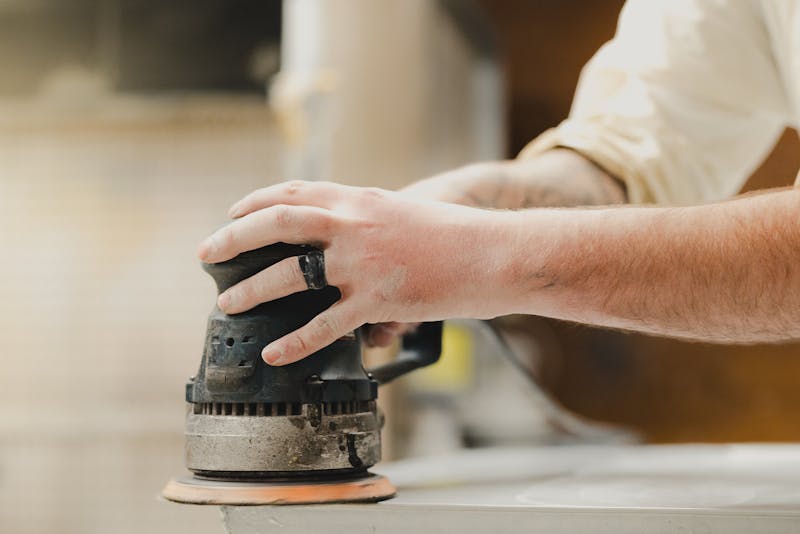
Sometimes, polishing is not enough, and more serious damage or worn finishes require refinishing. If your furniture has large scratches, water damage, or a dull finish that doesn’t respond to polish, it might be time to learn how to refinish furniture. Refinishing involves sanding down the old finish, applying a new stain or protective coating, and then polishing for a long-lasting shine. While more involved than simple polishing, refinishing restores the furniture to near-original condition and prolongs its lifespan.
Tips for Long-Lasting Shine
To keep your wood furniture looking its best between polishes:
- Dust regularly with a soft cloth to prevent buildup.
- Avoid placing furniture in direct sunlight, which can fade finishes.
- Use coasters and placemats to protect surfaces from spills.
- Maintain a stable indoor humidity level to prevent wood from warping.
Consistent care combined with proper polishing ensures your furniture retains its luster and stays protected from everyday wear and tear.
Conclusion
Polishing wood furniture is an essential step in maintaining its beauty and longevity. By using the right materials, applying polish correctly, and avoiding common mistakes, DIY enthusiasts can achieve a professional finish without damaging the wood. Remember to clean first, polish sparingly, and follow the grain to protect the finish. And if the furniture shows signs of deep wear, consider learning how to refinish furniture to restore it fully. With the right care, your wood furniture will continue to shine and enhance your home for years to come.